



Scent of Incense, Sound of Drums: Semana Santa 2026 in Málaga
If you’ve never been to Málaga during Semana Santa (Holy Week), prepare for a sensory overload that defies description. This isn’t just a religious event; it’s a city-wide transformation. From March 29 to April 5, 2026, the air in Málaga will thick with the smell of orange blossom and melting wax, and the rhythmic beat of drums will become the city’s heartbeat.
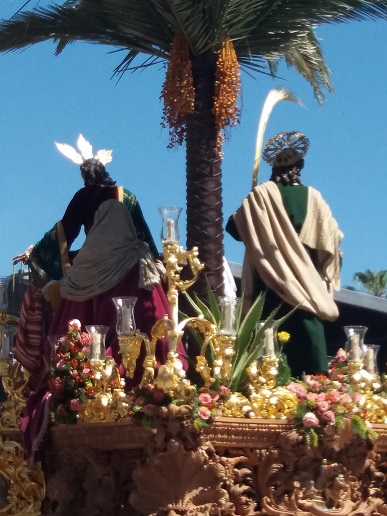
Unlike the somber, silent processions of Northern Spain, Málaga’s Holy Week is passionate, loud, and massive. Here is your guide to navigating the 2026 celebrations in the city and across the province.
The 2026 Calendar: Key Moments
The dates for 2026 fall slightly earlier than usual, meaning the weather should be pleasantly mild—perfect for the long hours spent waiting.
| Date | Day | What Not to Miss |
| March 29 | Palm Sunday | La Pollinica: The “children’s procession” with palm branches. |
| March 30 | Holy Monday | El Cautivo: The “Lord of Málaga” in his iconic white tunic. |
| April 1 | Holy Wednesday | El Rico: The traditional release of a prisoner at the Cathedral. |
| April 2 | Maundy Thursday | The Legion: Soldiers landing at the port and marching with the Christ of Mena. |
| April 3 | Good Friday | Servitas: A haunting midnight procession where the city lights go dark. |
| April 5 | Easter Sunday | El Resucitado: A joyful, colorful finale with all brotherhoods. |
Why Málaga is Unique
While Seville is famous for its grace, Málaga is famous for its strength.
- The “Tronos” (Thrones): In other cities, they are called pasos and carried on the neck. In Málaga, they are tronos—massive floats weighing up to 5,000kg. They are carried on the shoulders of hundreds of men and women (hombres de trono) who walk on the outside, creating a unique swaying motion.
- The Spanish Legion: On Maundy Thursday, the Spanish Legion disembarks at Muelle Uno (10:30 AM). Watching them sing “El Novio de la Muerte” while carrying the Christ statue at arm’s length is arguably the most intense emotional peak of the week.
- The Prisoner’s Pardon: On Holy Wednesday, look for the procession of El Rico. Since the 18th century, a prisoner is granted freedom by the image of Christ—a living tradition that still happens today.
Where to Watch (Pro Tips)
The “Official Route” (Carrera Oficial) requires tickets for seats, but you can see everything for free if you know where to stand.
- Tribuna de los Pobres: These famous stone steps at the end of Calle Carretería offer free “stadium” seating. Arrive hours early if you want a spot.
- Calle Larios: The main shopping street. It’s the most beautiful but also the most crowded.
- The Bridges: Watching the processions cross the Puente de la Aurora or Puente de la Esperanza provides a stunning perspective of the tronos over the riverbed.
Survival Tip: Download the app “El Penitente.” It uses real-time GPS to show you exactly where every procession is located. This is the only way to navigate the “human walls” that form in the side streets.
Beyond the City: The Málaga Region
If the city crowds get too intense, the province offers equally beautiful, more intimate traditions:
- Antequera: Famous for “running the throne” (correr la vega), where participants run up steep hills with the massive floats.
- Ronda: Seeing the processions wind through the narrow white streets and across the Tajo gorge is breathtaking.
- Alhaurín el Grande: Known for its “Live Passion” plays where locals reenact the stations of the cross.
The Flavors of Easter
You can’t experience Semana Santa without tasting it. Look for these at local bakeries:
- Torrijas: Think of it as the best French toast you’ve ever had—soaked in honey or wine and fried.
- Limón Cascarudo: You’ll see street vendors selling whole lemons with a side of salt. It’s a local tradition to refresh the palate (and throat) during the long processions.
)